
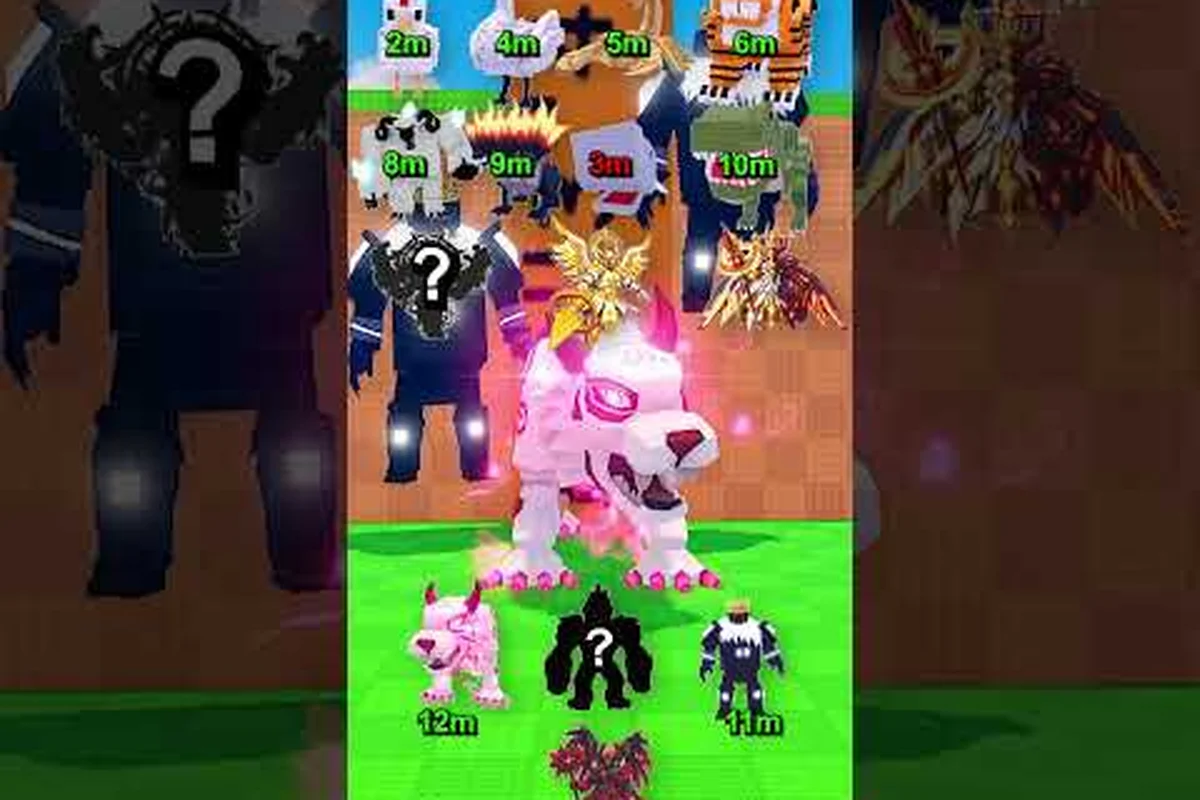
The merchant loop in Jump To Steal An Egg is where raw pet income turns into permanent progression, yet most new thieves treat it as an afterthought. Understanding which trails to buy, when to gamble on mutations, and how rebirth timing multiplies your earnings separates players who stall at mid-game from those who snowball into late-game pets. This Jump To Steal An Egg merchant guide breaks down the exact mechanics behind each merchant option so you stop wasting cash on upgrades that barely move your income curve. If you’re still sorting out core progression before optimizing your merchant buys, the Jump To Steal An Egg Beginner Guide covers the early-game income and pet unlocks that determine whether those mid-game stalls even happen.
How The Merchant Economy Actually Works
Before spending a single coin, you need to understand the core loop that feeds the merchant. Pets generate cash per second while you are online, and they continue earning offline according to the official game page on Roblox. That passive income pools into your balance, which you then spend at the merchant on three distinct progression tracks: trails, mutations, and rebirths. Each track scales differently, and the optimal spending order changes as your pet roster matures.
The merchant is not a cosmetic shop. Every purchase modifies either your movement efficiency, your pet's earning potential, or your account-wide multiplier. Community testing shows that early spending on the wrong track can delay your first Eternal-tier pet by several hours of playtime. The key insight is that trails improve your steal loop speed, mutations improve individual pet value, and rebirths improve everything. Because these systems interact multiplicatively, a balanced approach usually beats dumping all cash into one category.
| Merchant Track | Primary Effect | Best Time To Buy | Scaling Type |
|---|---|---|---|
| Trails | Visual speed lines + minor speed boost | Early game, before first rebirth | Linear, diminishing returns |
| Mutations | Reroll pet rarity or stats | Mid game, after hatching 5+ pets | RNG-based, high variance |
| Rebirths | Account-wide income multiplier | After reaching a pet value plateau | Exponential, compounding |
The table above summarizes the three merchant tracks, but the real depth comes from how they interact. A player who buys trails early moves faster between egg spawns, which means more hatches per hour, which means more mutation fodder. That chain of efficiency is why this Jump To Steal An Egg merchant guide prioritizes understanding the loop before optimizing any single purchase.
Trail Picks: Speed Lines That Actually Matter
Trails in Jump To Steal An Egg are not purely cosmetic, despite what the name suggests. Each trail provides a visual speed line effect that helps you track your character during fast jumps, but community reports confirm they also grant a small movement speed bonus that stacks with your pet-granted speed. The official Roblox page describes the core loop as jumping high, stealing eggs, and escaping pets, which means any movement advantage directly reduces your time-to-hatch.
The trail system has a hidden depth that most guides miss. Early trails are cheap and provide immediate value because your base speed is low, making the percentage boost more noticeable. However, as you unlock pets like the Forest Chicken with +420 Speed or the Forest Dog with +460 Speed, the flat trail bonus becomes a smaller fraction of your total movement. That is why experienced players recommend buying the first two or three trails, then pausing until after your first rebirth.
Trail Priority Order For New Thieves
The optimal trail purchase order depends on your current pet roster and how often you die during steal attempts. In the first few hours, your cash flow is almost entirely driven by passive pet income and the occasional successful egg steal, so every trail purchase competes directly with egg rolls and mutation attempts. For example, a player with two common pets generating roughly 300 cash per minute can afford the second trail within about 15 minutes of steady play, but a third trail at 5,000 cash represents nearly 17 minutes of that same income — time better spent rolling a Cosmic-tier egg for a mutation chance. Community data suggests the following priority list for players in their first few hours:
-
First trail (any cheap option) — immediately improves jump visibility and reduces failed landings
-
Second trail — worth it once you have at least two pets generating passive income
-
Third trail — only after hatching a Legendary-tier pet, because the speed bonus matters less than mutation rolls at that point
-
Fourth trail and beyond — post-rebirth luxury purchases, never before your first rebirth
The reasoning behind this order is simple: trails have linear scaling while mutations and rebirths have compounding potential. Spending 5,000 cash on a third trail when you could instead roll a mutation on a Cosmic-tier egg is usually a mistake. The exception is if you are dying frequently during escapes, in which case the movement clarity from trails can save you more cash than it costs.
Mutation Odds And When To Gamble
Mutations are the merchant's RNG mechanic, and they are where most players either accelerate or stall. When you mutate a pet, the game rerolls its rarity or stats based on hidden odds that vary by egg type. The Brainrot Egg has confirmed hatch rates reported by the community: Tung Tung Sahur at Rare 39%, Bananita Dolphinita at Epic 25%, Belula Beluga at Mythic 20%, Mangolini Parrochini at Cosmic 10%, Bomboclat Crocolat at Secret 5%, and Strawberry Elephant at Eternal 1%. Mutation rerolls use a separate table, but the rarity distribution gives you a sense of how steep the climb is.
The key mechanic to understand is that mutations do not guarantee an upgrade. You can mutate a Rare pet and roll another Rare, effectively wasting the cash. Because of this variance, the smart approach is to mutate only pets that have a realistic chance of jumping multiple tiers. A Common pet with a 1% chance to hit Eternal is a lottery ticket, while a Mythic pet with a 20% chance to hit Cosmic is a calculated risk.
Mutation Strategy By Pet Tier
Before committing any cash to the mutation button, consider the mutation cost scaling tied to each pet tier — a Common hatch may cost only a few hundred cash to mutate, but the odds of rolling upward to Rare or beyond are steep enough that those funds are almost always better spent on a rebirth multiplier. Conversely, an Epic pet sitting in your inventory represents a compounding opportunity: one aggressive mutation push before rebirth can convert it into a Mythic or Cosmic income source, which then feeds directly into your trail progression and merchant egg purchases. The table below quantifies when that risk flips from wasteful to worthwhile.
| Pet Tier | Mutation Value | Recommended Action |
|---|---|---|
| Common | Low — high chance of staying Common | Skip mutations, save for rebirth |
| Rare | Medium — decent chance at Epic or Mythic | Mutate once if cash exceeds 10k |
| Epic | High — realistic path to Mythic or Cosmic | Mutate aggressively before rebirth |
| Mythic | Very High — Cosmic and Secret are reachable | Prioritize mutations over trails |
| Cosmic | Extreme — Secret and Eternal are the goal | Save for guaranteed mutation events |
The Angel Egg and Demon Egg represent the endgame mutation targets. Both require 20B Speed to access, and they hatch Divine pets: ArchAngel from the Angel Egg and World Burner from the Demon Egg. Mutating a Divine pet is the ultimate gamble, but the payout is an Eternal-tier income source that dwarfs everything else. According to community data, the real pet income comes from these top-tier hatches, which is why mutation strategy should always point toward reaching them.
Rebirth Timing: The Multiplier That Compounds Everything
Rebirth is the merchant's most powerful mechanic, and it is also the most misunderstood. When you rebirth, you reset your current pets and cash in exchange for an account-wide income multiplier that applies to all future earnings. The multiplier compounds with each rebirth, which means your second rebirth is worth more than your first, and your fifth rebirth is worth dramatically more than your fourth. This is the core reason why rebirth timing matters more than any other merchant decision.
The mistake most players make is rebirthing too early. If you rebirth with only a few low-tier pets, your multiplier increase is small, and you lose all the income those pets were generating. The correct approach is to wait until your pet roster has reached a plateau where additional hatches are not meaningfully increasing your income. That plateau typically happens after you have hatched at least one Mythic-tier pet and have a stable income stream from multiple Epic or Legendary pets.
Rebirth Readiness Checklist
Before you commit to a rebirth, run through this checklist to avoid resetting at the wrong time: the timing of your reset matters as much as the act itself, because a poorly timed rebirth can wipe out hours of pet progression while locking in a multiplier that barely moves your income curve. For example, rebirthing right after a lucky mutation roll that upgraded a mid-tier pet to Mythic-tier may feel rewarding, but if your income per second is still climbing from that new pet's contribution, you are sacrificing the tail end of that growth spike for a rebirth multiplier that could have been higher just thirty minutes later. Conversely, waiting too long after your income has plateaued means you are idling on a flat curve, earning nothing toward the next multiplier threshold. The checklist below is designed to catch both failure modes before you hit the rebirth button.
- You have at least one Mythic-tier or higher pet in your roster
- Your total income per second has not increased by more than 10% in the last 30 minutes
- You have already purchased the first two or three trails
- You have no pending mutation rolls that could upgrade a high-tier pet
- You understand that rebirth resets pets but keeps trails and account multipliers
The checklist items above are ordered by importance. The first item is non-negotiable because rebirthing without a high-tier pet means you are resetting a weak roster for a weak multiplier. The second item prevents you from rebirthing during an income spike that would have continued growing. The third item ensures you keep your movement advantages through the reset, since trails persist across rebirths.
Early Mechanic Tips That Compound Into Late-Game Power
The early game in Jump To Steal An Egg is where habits form, and those habits determine whether you reach the 20B Speed threshold for Angel and Demon Eggs or stall out at mid-tier pets. This section covers the mechanic tips that new thieves most often miss, each one tied to a specific system in the merchant loop.
| Early upgrade choice | First-hour income impact | Speed contribution | Late-game compounding effect |
|---|---|---|---|
| Hatch 2nd pet (any Common tier) | +$1/s passive income | +420 Speed (Forest Chicken baseline) | Doubles offline earnings; pet income scales while jump upgrades cap early |
| Jump upgrade (first tier) | $0/s passive income | Saves ~0.5s per steal attempt | No passive scaling; only reduces steal-loop time |
| Together for Animals group join reward | Starting cash or free pet | Varies by reward roll | Unlocks FUSEMACHINE code (Sep 17, 2026) and weekly update alerts |
| Save for T-Rex or Unicorn egg | $0/s until hatch | High early Speed tier | Top early targets per Aprasi guide; bridges to Brainrot Egg hatch table |
| Rush Brainrot Egg before pet base | $0/s until hatch | Depends on hatch (39% Tung Tung Sahur Rare) | Gambles early cash on 5% Secret / 1% Eternal odds instead of guaranteed pet income |
The first tip is to prioritize pet income over jump upgrades in the first hour. The official game description mentions upgrading your jump, but community testing shows that early jump upgrades have diminishing returns compared to hatching more pets. A second pet generating even $1 per second doubles your passive income, while a jump upgrade might save you half a second per steal attempt. The math favors pets early.
The second tip is to join the Together for Animals group before spending any cash. The official Roblox group has 1.2M+ members and regularly posts codes, including the FUSEMACHINE code posted on September 17, 2026. Joining unlocks a free in-game reward, which gives you starting cash or a pet that accelerates your early progression. The group also announces weekly updates and Sunday mega updates, so you will know when new biomes or animals drop.
Steal Loop Optimization
The core steal loop is simple: jump to an egg, grab it, escape the pets, and bring it back to your pen. But small optimizations in this loop compound over dozens of runs. The ItsChalls YouTube guide covers the steal loop, egg targeting order, and upgrade priorities in detail, and community players confirm that targeting the right eggs early saves significant time.
-
Target T-Rex and Unicorn eggs first — these are the top early targets according to community data, offering the best value-to-difficulty ratio
-
Skip low-value eggs — if an egg requires a long detour, the time cost outweighs the hatch value
-
Learn pet patrol patterns — escaping is faster when you know where pets will be before you commit to a steal
-
Bank eggs in batches — returning multiple eggs per trip reduces the number of escape sequences you need to survive
The T-Rex and Unicorn eggs are specifically called out in community guides as the top early targets because they hatch into pets with strong income-to-speed ratios. Focusing on these eggs means you build a roster that generates meaningful cash quickly, which then funds your merchant purchases. The alternative of grabbing whatever egg is closest leads to a scattered roster with no high-value pets.
Frequently Asked Questions
What is the best merchant purchase for a brand new player?
Your first merchant purchase should be a cheap trail, not a mutation or rebirth. Trails improve your movement clarity during the steal loop, which reduces failed jumps and escape deaths. After that, save your cash for hatching T-Rex and Unicorn eggs, since early pet income matters more than any single merchant upgrade.
How do mutations actually work in Jump To Steal An Egg?
Mutations reroll a pet's rarity or stats using hidden odds that vary by egg type. The Brainrot Egg has confirmed rates ranging from 39% for Rare to 1% for Eternal. Mutations do not guarantee an upgrade, so the smart strategy is to mutate only Epic or Mythic pets that have a realistic chance of jumping multiple tiers.
When should I rebirth for the first time?
Rebirth after you have at least one Mythic-tier pet and your income per second has plateaued for 30 minutes. Rebirthing too early resets a weak roster for a small multiplier, which slows your progression. Trails persist across rebirths, so buy your first two or three trails before resetting.
Do trails actually make you faster or are they cosmetic?
Trails provide a small movement speed bonus that stacks with pet-granted speed, according to community reports. The bonus matters most in the early game when your base speed is low. As you unlock pets with +420 Speed or higher, the trail bonus becomes a smaller fraction of your total movement.
What is the fastest way to reach the Angel and Demon Eggs?
The Angel and Demon Eggs require 20B Speed, which means you need multiple rebirths and high-tier pets. Focus on hatching T-Rex and Unicorn eggs early, mutate Epic and Mythic pets aggressively, and rebirth only after your income plateaus. The compounding multiplier from rebirths is the fastest path to the 20B threshold.